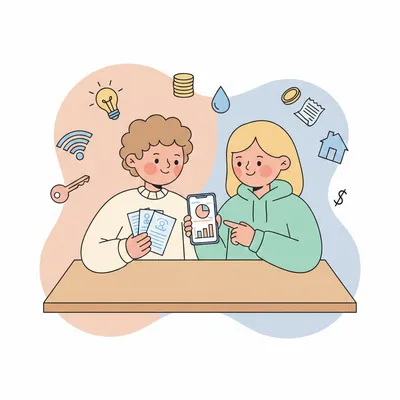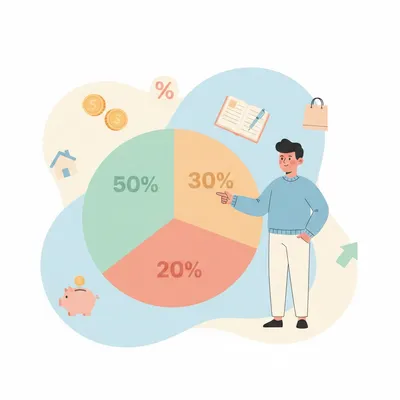
Money is one of the main sources of conflict in relationships. But it doesn’t have to be that way. With a clear system and the right tools, managing finances as a couple can be simple and even strengthen your relationship.
Why It’s Important to Talk About Money
Before you start organizing, you need to talk openly about money. This includes:
- Your income: How much does each of you earn?
- Your debts: Are there loans, credit cards?
- Your goals: What do you want to achieve together? (travel, home, savings)
- Your habits: Who’s the spender? Who’s the saver?
It’s not about judging, but understanding how each of you relates to money.
Models for Managing Finances as a Couple
1. All Together (Joint Account)
All income goes into a shared account. All expenses come out of it.
Pros: Total simplicity, team feeling.
Cons: Loss of financial independence, can create conflicts if incomes are very different.
2. All Separate (Individual Accounts)
Each person has their own account and you split common expenses.
Pros: Maximum independence, each manages their own money.
Cons: Requires more coordination, can feel less like a “team.”
3. Mixed System (Best of Both)
Each person has their personal account, but there’s a shared account or system for shared expenses.
Pros: Independence + teamwork.
Cons: Requires a tool to keep track.
This is the model we recommend, and it’s exactly what ExpenseManager is designed for.
How to Split Expenses Fairly
“50/50” sounds fair, but is it really if one person earns twice as much as the other? We dive deeper into this topic in our guide on how to split rent fairly.
Option A: Equal Split (50/50)
Works well when incomes are similar.
Option B: Proportional Split
Each person contributes the same percentage of their salary. If one earns $4,000 and another $6,000, the first contributes 40% of total shared expenses and the second 60%.
Option C: Custom Split
You agree case by case. For example: one pays rent, the other pays groceries and bills.
Expenses You Should Split
These are the typical expenses couples who live together share. If you’re just starting to live together, check out our complete guide on organizing expenses from day one.
- Housing: Rent or mortgage
- Utilities: Electricity, water, gas, internet
- Food: Grocery shopping
- Home: Cleaning, maintenance, furniture
- Joint entertainment: Dinners, trips, entertainment
Personal expenses (clothes, hobbies, gifts for family) are normally paid individually.
Tips to Avoid Conflicts
-
Set clear rules from the start: What counts as a shared expense? How much can each spend without consulting?
-
Review accounts regularly: Once a month, spend 15 minutes reviewing expenses and balance.
-
Create a joint emergency fund: For unexpected events that affect you both.
-
Use a neutral tool: An app like ExpenseManager avoids the “I think I paid more” argument.
-
Set budgets together: If you’re going on a trip, agree on how much you’ll spend before doing it.
How ExpenseManager Helps You
With ExpenseManager you can:
- Add shared expenses and split them automatically
- See the balance in real time: Who owes whom and how much
- Scan receipts to add expenses without typing
- Set couple budgets for categories like entertainment or vacations
- Each keeps their own account: The guest sees everything for free
Conclusion
Managing finances as a couple doesn’t have to be complicated. With open communication, clear rules, and the right tools, you can avoid arguments and strengthen your relationship.
Ready to start? Create your free ExpenseManager account and start keeping clear accounts today.