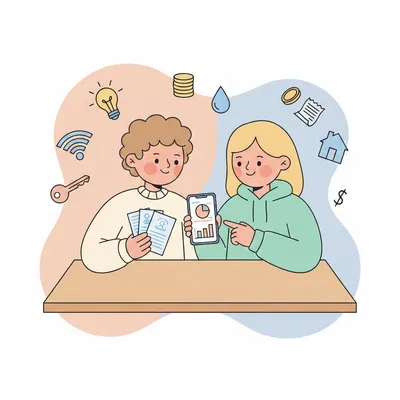
Moving in with roommates can be awesome… or a total financial disaster. The secret to avoiding fights over the thermostat or who owes what on the latest electric bill? A roommate agreement. Seriously. This isn’t about distrust; it’s about setting expectations upfront to avoid headaches later. Let’s break down why you need a roommate agreement template and, more importantly, how to create one that works for everyone.
Why Do You Need a Roommate Agreement?
Think of a roommate agreement as a peace treaty for your shared living space. Here’s why it’s a must-have:
- Clear Responsibilities: Who buys the toilet paper? Who takes out the trash? Who’s in charge of pest control if ants invade? A roommate agreement spells out who does what, so no one feels like they’re carrying all the weight.
- Expense Management: How do you split the rent? What about utilities? Are you pooling money for groceries? A solid agreement outlines a clear system for handling shared expenses, which slashes the potential for money-related conflicts. You should also check out our Roommate Expense Tracker Guide
- House Rules: Quiet hours? Guest policies? Pet rules? A roommate agreement sets the ground rules for peaceful and respectful cohabitation.
- Damage Control (Literally): While not legally binding in the same way a lease is, a roommate agreement can serve as evidence if a dispute arises. For example, if a roommate flakes out and refuses to pay their share of the rent, the agreement can support your claim in small claims court.
What Should Your Roommate Agreement Template Include?
A good roommate agreement should be as detailed as possible. The more specifics you include, the less room there is for misinterpretation and misunderstandings. Here’s a checklist of the key elements to cover in your roommate agreement template:
1. Basic Information
- Full Names of All Roommates: Seems obvious, but get it in writing.
- Complete Address of the Apartment: To avoid any confusion.
- Agreement Start and End Dates: Even if you plan to renew, establish a timeframe.
2. Rent and Security Deposit Breakdown
- Total Monthly Rent: In USD ($), of course.
- Rent Portion for Each Roommate: If it’s not split evenly, specify the exact amount or percentage each person pays. For example: “The monthly rent is $3,000. Sarah pays $1,000, John pays $1,000, and Emily pays $1,000.”
- Rent Due Date: Set a firm date to avoid late payments. For example: “Rent is due on the 1st of each month.”
- Security Deposit Handling: Who’s responsible for holding the security deposit? How will it be returned at the end of the lease? Spell out the conditions.
3. Utility Responsibilities
- List of Utilities to Be Shared: Electricity, water, gas, internet, trash, etc.
- How Utilities Are Split: Evenly? Based on usage? For example: “Electricity and gas will be split based on individual usage, as indicated by the smart meter. Internet will be divided equally.”
- Who’s Responsible for Each Utility: Who sets up the accounts? Who receives the bills? Who pays them?
- Payment Deadlines: Just like rent, set deadlines for utility payments.
4. House Rules
- Quiet Hours: Crucial for respecting neighbors and ensuring everyone gets enough sleep.
- Guest Policy: Are guests allowed? How often? Can they stay overnight?
- Pet Policy: Are pets allowed? Who’s responsible for their care? What happens if Sparky eats the couch?
- Cleaning Schedule: Who handles cleaning? How often? Do you rotate chores?
- Use of Common Areas: How do you share the kitchen, living room, and bathroom?
- Noise Levels: What noise level is considered acceptable?
- Kitchen Etiquette: Do you share food? How do you clean up after cooking?
- Alcohol and Tobacco Use: Is smoking or drinking allowed in the apartment?
- Laundry Room Rules: How do you share the washer and dryer? Are there specific time slots?
- Any Other Rules You Deem Important: Every apartment is different, so tailor the rules to your specific needs.
5. Shared Expense Management
- Common Fund: Do you create a common fund to buy cleaning supplies, toilet paper, etc.? How much does each person contribute?
- Grocery Shopping: Do you share food? How do you manage grocery purchases?
- Apartment Maintenance: Who takes care of minor repairs? How do you decide when to call a professional?
6. Conflict Resolution Procedures
- Establish a Communication Process: How will conflicts be addressed? Will you talk directly to the person involved, or will you seek mediation from a third party?
- Define Consequences for Not Fulfilling the Agreement: What happens if someone doesn’t pay rent on time? What happens if someone violates the house rules?
7. Additional Clauses
- Subletting: Is subletting the room allowed? Under what conditions?
- Early Termination: How can the agreement be terminated early? How much notice is required?
- Agreement Modifications: How can the terms of the agreement be modified?
Practical Examples: Expenses and Responsibilities
To give you a clearer idea, here’s how you might draft a few sections of your roommate agreement template:
Rent:
- The monthly rent is $3,000.
- Sarah pays $1,000, John pays $1,000, and Emily pays $1,000.
- Rent must be paid by the 1st of each month via Zelle to sarah@email.com.
Utilities:
- The utilities to be shared are: electricity, water, gas, and internet.
- The electricity bill will be divided based on actual usage, as indicated by the smart meter.
- The water, gas, and internet bills will be divided equally.
- John will be responsible for receiving and paying the electricity bill.
- Emily will be responsible for receiving and paying the water bill.
- Sarah will be responsible for receiving and paying the gas and internet bills.
- Utility bills must be paid within 7 days of receipt.
Cleaning:
- The apartment will be cleaned weekly, with tasks rotated among the three roommates.
- Sarah will be responsible for cleaning the bathroom the first week, John the second week, and Emily the third week.
- The kitchen will be cleaned after each meal by the person who cooked it.
- Taking out the trash will be done in weekly rotations among the three roommates.
Tips for Creating a Successful Roommate Agreement
- Be Specific: The more detail you include, the less room there will be for misunderstandings.
- Be Realistic: Don’t include rules you know you won’t follow.
- Be Flexible: The agreement should adapt to everyone’s needs.
- Communicate: Talk openly with your roommates about your expectations and concerns.
- Review the Agreement Regularly: As your living situation evolves, you may need to modify the agreement.
Remember, the key to a successful living arrangement is communication, respect, and flexibility. A good roommate agreement can be the perfect tool for avoiding conflicts and enjoying the experience of sharing an apartment. While you’re at it, have you ever thought about Where Does My Money Go? Drafting this document might help you identify unnecessary expenses.
Where to Find a Roommate Agreement Template
There are tons of online resources where you can find roommate agreement templates. A simple Google search for “roommate agreement template” will turn up various examples that you can adapt to your needs. You can also check out websites specializing in rentals and shared living, and even legal document sites. Or, better yet, use the information in this post to create your own tailored agreement.
How ExpenseManager Helps
Sharing an apartment means sharing expenses, and keeping precise track of everything can be tricky. ExpenseManager lets you record all common expenses, automatically divide them among your roommates, and know exactly who owes whom. Forget about spreadsheets and confusion! With ExpenseManager, you can:
- Easily Record All Expenses: Enter expenses quickly and easily, specifying who paid and who needs to pay.
- Automatically Divide Expenses: ExpenseManager automatically calculates the portion due from each roommate.
- Track Payments: See who has paid and who owes money.
- Receive Notifications: Get payment reminders and notifications when someone owes you money.
- Create Reports: Generate detailed reports of all expenses for a clear view of your shared finances.
If you have plans to travel with friends, or even with roommates, you might be interested in our post on Split Expenses Group Trip.
Conclusion
Creating a roommate agreement template is an investment of time that can save you a lot of headaches in the future. Don’t see it as bureaucratic red tape, but as a tool to build a peaceful and harmonious living situation with your roommates. Remember that communication and respect are fundamental to a successful living arrangement. A well-drafted roommate agreement, along with a tool like ExpenseManager, will help you manage shared finances transparently and efficiently. Ready to start living together? You may be interested in reading our post on Moving In Together.
Ready to organize your expenses with your roommates? Create your free ExpenseManager account