Feeling like your paycheck vanishes every month, and you’re not sure where it all went? You’re definitely not alone. It happens to the best of us. The good news is, with a few simple tweaks, you can take control and reduce your monthly expenses without sacrificing everything you enjoy. Sound good? Let’s dive in.
1. Track Your Spending: Know Where Your Money Goes
Before you start cutting back, you need a clear picture of where your money is actually going. Time to become a financial detective!
- Meticulously Track Every Expense: For one full month, write down every single expense, no matter how small. Use an app like ExpenseManager (more on that later), a spreadsheet, or even a notebook if you’re old-school.
- Categorize Your Spending: Divide your expenses into categories: housing, transportation, food, entertainment, etc. This will give you a bird’s-eye view of where you’re spending the most.
- Uncover “Latte Factor” Expenses: These are the small, daily expenses that seem insignificant (coffees, snacks, app subscriptions, etc.) but add up to a surprisingly large amount by the end of the month. For more insights, check out our post Where Does My Money Go?
Example: Let’s say you spend $4 on a latte every weekday. That’s $80 a month! Could you brew your own coffee at home and save that money?
2. Create a Realistic Budget and Stick to It
Now that you know where your money is going, it’s time to create a budget. This isn’t about depriving yourself; it’s about spending consciously and prioritizing what’s truly important to you.
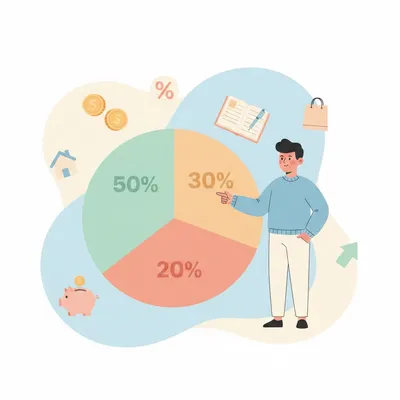
- Try the 50/30/20 Rule: Allocate 50% of your income to needs (housing, food, transportation), 30% to wants (entertainment, dining out, shopping), and 20% to savings and debt repayment.
- Be Realistic: Don’t set unattainable goals. It’s better to start small and adjust your budget as needed.
- Review Your Budget Regularly: Life changes, and your budget should too. Review it at least once a month and make necessary adjustments.
Example: If you realize you’re spending too much on eating out, cut that category in your budget and commit to cooking more at home.
3. Negotiate Your Bills: Leave No Money on the Table!
We often pay more than we need to for services we could get at a lower price.
- Shop Around: Before signing up for any service (internet, phone, insurance), compare prices from different providers.
- Negotiate with Your Current Provider: Call your phone, internet, or insurance company and ask if you can get a better rate. Often, simply threatening to switch to a competitor will get you a discount.
- Cancel Unused Subscriptions: How many subscriptions do you have that you don’t even use? Cancel them! Netflix, Spotify, that gym membership you forgot about… Add it all up, and you’ll see how much you can save.
Example: Call your internet provider and tell them you saw a better deal with another company. They’ll likely offer you a discount to stay.
4. Save on Housing: Your Biggest Expense
Housing is usually the largest monthly expense for most people. Here are some ideas to reduce it:
- Consider Renting with Roommates: If you live alone, sharing an apartment or house can significantly reduce your expenses.
- Negotiate Your Rent: If your lease is about to renew, try negotiating the rent with your landlord.
- Reduce Energy Consumption: Turn off lights when you don’t need them, use energy-efficient light bulbs, properly insulate your home, and adjust the thermostat.
Example: Adjusting the thermostat by just a few degrees can result in significant savings on your energy bill.
5. Smart Transportation: Get Around Wisely
Transportation is another major expense that can be easily reduced.
- Use Public Transportation: If possible, use public transportation instead of driving. It’s cheaper and more eco-friendly.
- Walk or Bike: For short distances, walk or bike. It’s good for your health and your wallet.
- Carpool: If you have to drive, share the costs with coworkers or friends.
Example: Instead of driving to work every day, take the subway or carpool with a colleague. You could save a good chunk of money on gas, parking, and maintenance.
6. Mindful Eating: Eat Well Without Overspending
Food is an essential expense, but it’s also an area where we can save a lot of money.
- Plan Your Meals: Plan your weekly meals and make a shopping list. This will prevent impulse purchases and food waste.
- Cook at Home: Cooking at home is much cheaper than eating out. Plus, it’s healthier.
- Take Advantage of Sales and Discounts: Look for sales and discounts at the grocery store and buy seasonal produce.
Example: Instead of buying takeout every day, prepare your own lunches and dinners at home. You could save hundreds each month.
7. Smart Entertainment: Have Fun Without Breaking the Bank
You don’t have to give up entertainment to save money. There are many ways to have fun without overspending.
- Take Advantage of Free Activities: Look for free activities in your city: concerts, museums, parks, etc.
- Organize Get-Togethers at Home: Invite your friends over for dinner, a movie night, or board games at your place.
- Look for Discounts and Deals: Search for discounts and deals at movie theaters, concerts, and other entertainment venues.
Example: Instead of going to the movie theater, host a movie night at home with your friends. Stream something cool, pop some popcorn, and enjoy.
8. Reduce Your Debt: Free Yourself From the Chains
Debt can be a drag on your finances. The sooner you get rid of it, the better.
- Prioritize High-Interest Debt: Pay off debts with the highest interest rates first (credit cards, personal loans).
- Consolidate Your Debt: If you have multiple debts, consider consolidating them into a single loan with a lower interest rate.
- Avoid Taking on New Debt: Before buying something on credit, ask yourself if you really need it and if you can afford it.
Example: Instead of paying the minimum on your credit card, pay a larger amount each month to reduce the balance faster and save on interest.
9. Automate Your Savings: Make it Effortless
One of the best ways to save money is to automate your savings.
- Set Up Automatic Transfers: Schedule automatic transfers from your checking account to your savings account each month.
- Take Advantage of Your Bank’s Savings Options: Many banks offer automatic savings options, such as rounding up your debit card purchases and transferring the difference to your savings account.
- Consider Investing: Once you have an emergency fund, consider investing some of your savings for long-term growth.
Example: Set up an automatic transfer of $100 from your checking account to your savings account each month. In a year, you’ll have saved $1,200 without even thinking about it.
10. Sell What You Don’t Need: Turn Your Clutter into Cash
We all have things at home that we no longer use. It’s time to sell them!
- Host a Yard Sale: Organize a yard sale with your friends or neighbors to sell clothes, furniture, books, and other items you no longer need.
- Sell Online: Use online platforms like Facebook Marketplace, Craigslist, or eBay to sell your stuff.
- Donate What You Can’t Sell: If you can’t sell something, donate it to a charity.
Example: Sell clothes you no longer wear on Poshmark or ThredUp. You could earn some extra money each month.
11. Review Your Insurance: Are You Overpaying?
Insurance is important, but you may be overpaying for it.
- Shop Around: Compare prices from different insurance companies before signing up for one.
- Review Your Existing Policies: Review your existing policies and see if you’re paying for coverage you don’t need.
- Adjust Your Deductibles: Increasing your deductibles can significantly reduce your premiums.
Example: Call different insurance companies and get quotes for your car insurance. You might find a better deal than what you currently have.
12. Beware of Impulse Buys: Think Before You Buy
Impulse purchases are one of the biggest enemies of saving.
- Wait Before You Buy: Before buying something you don’t need, wait at least 24 hours. Often, the urge to buy it disappears.
- Avoid Shopping When You’re Depressed or Bored: Negative emotions can lead you to spend more money.
- Ask Yourself if You Really Need the Item: Before buying something, ask yourself if you really need it or if you just want it.
Example: Before buying that pair of shoes you liked, wait a day and think about whether you really need them or if you already have enough shoes.
13. Take Advantage of Reward Programs: Get Paid to Spend
Many banks and stores offer reward programs that allow you to earn money for spending.
- Use Credit Cards with Rewards: Use credit cards that offer cash back, points, or miles.
- Sign Up for Loyalty Programs: Sign up for loyalty programs at your favorite stores.
- Take Advantage of Discounts and Promotions: Take advantage of discounts and promotions offered by reward programs.
Example: Use a credit card that offers 1.5% cash back on all your purchases. At the end of the year, you could have earned a significant amount of money.
14. Learn to Say “No”: Prioritize Your Finances
Sometimes, the key to saving money is simply learning to say “no.”
- Don’t Feel Pressured to Spend: Don’t feel pressured to spend money just because your friends are doing it.
- Prioritize Your Financial Goals: Remember your financial goals and don’t stray from the path.
- Learn to Live with Less: You don’t need to have everything you want to be happy.
Example: Instead of going out to dinner with your friends, suggest a potluck dinner at home where everyone brings something.
15. Look for Extra Income: Increase Your Options
In addition to reducing your expenses, you can also increase your income to have more money available.
- Look for a Part-Time Job: Find a part-time or freelance job to earn extra money.
- Sell Your Skills Online: Offer your skills online as a writer, designer, or programmer.
- Rent Out a Room in Your Home: If you have a spare room, rent it out through Airbnb.
Example: If you have writing skills, offer your services as a freelance writer. You could earn some extra cash each month.
How ExpenseManager Helps
ExpenseManager is your perfect ally for putting all these tips into practice. With our app, you can:
- Easily Record All Your Expenses: Forget about complicated spreadsheets. Record your expenses instantly and categorize them for a clear view of where your money is going.
- Create Custom Budgets: Set spending limits for each category and receive alerts if you’re exceeding them.
- Identify Spending Patterns: Analyze your spending over time and identify areas where you can save.
- Share Expenses with Friends and Family: Ideal for trips, shared apartments, or for Split Expenses Group Trip or How to Split Rent Fairly.
- Receive Detailed Reports: Get monthly reports with your total expenses, expenses by category, and the evolution of your savings.
- Set Savings Goals: Define savings goals (a trip, a house, etc.) and ExpenseManager will help you reach them.
With ExpenseManager, control of your finances is in the palm of your hand.
Conclusion
Reducing your monthly expenses isn’t an impossible task. With a little planning, discipline, and the right tools (like ExpenseManager!), you can take control of your finances and achieve your goals. Start today and you’ll see how your financial situation improves in no time. You got this!
Ready to take control of your finances and start saving? Create your free ExpenseManager account